Decking · Mixed
How a cedar deck ages in Dallas, TX
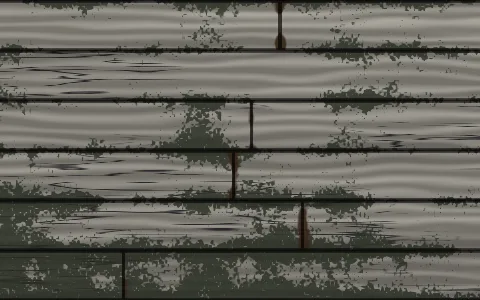
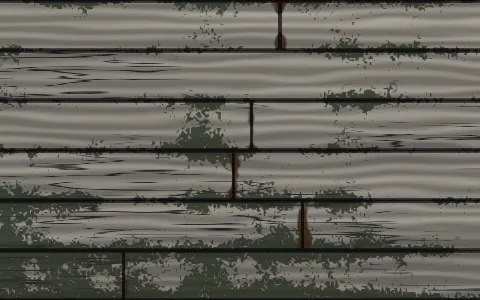
In Dallas, sun does most of the damage. UV here ranks #12 of 25 cities we cover, with about 108 days a year above 90 °F. Untreated boards bleach to a pale silver and open up surface checks; with a decay index of only 47.4, rot is a slow, secondary risk. Model estimate: 15–19 years untreated, 20–26 years sealed on schedule.
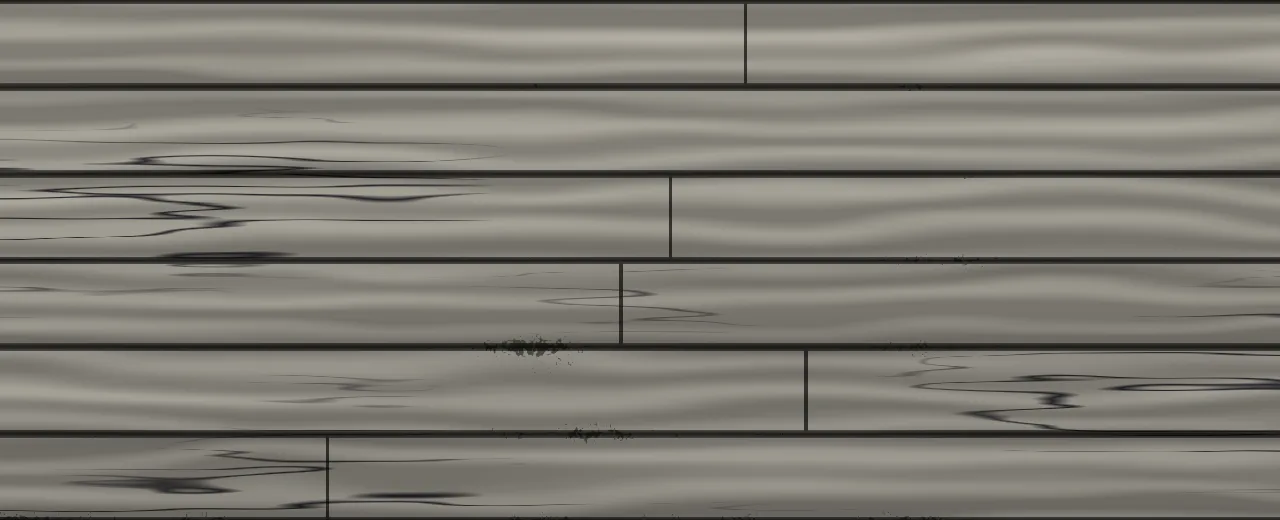
Storyboard
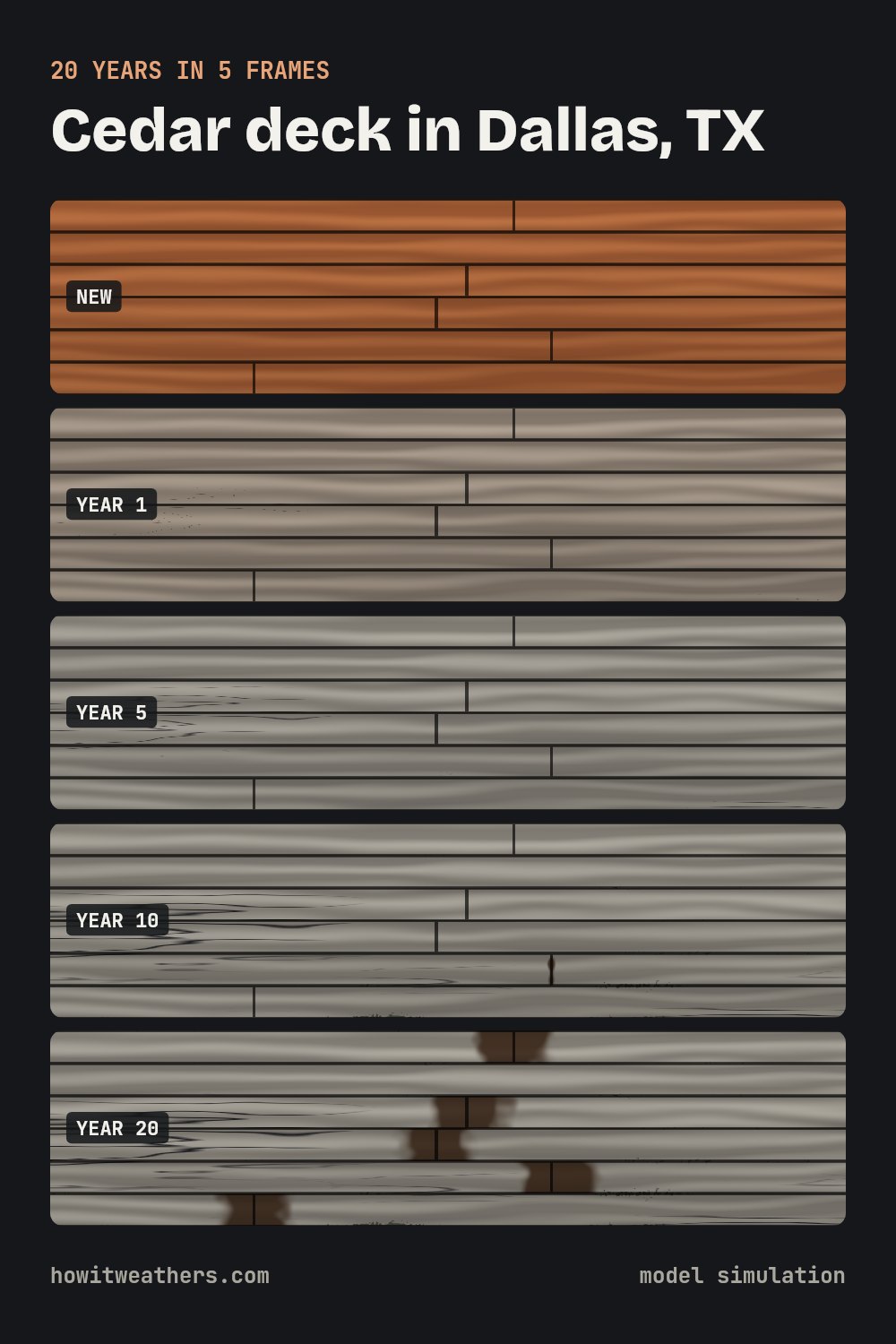
20 years in Dallas, untreated
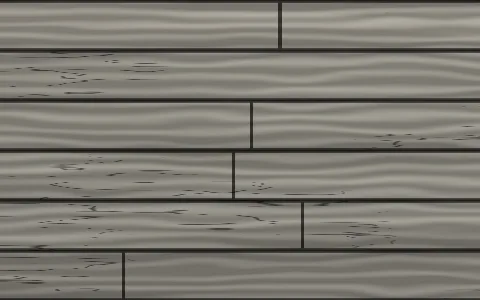
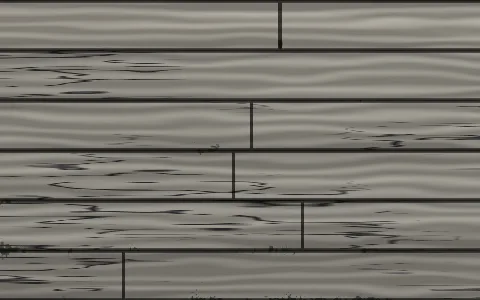
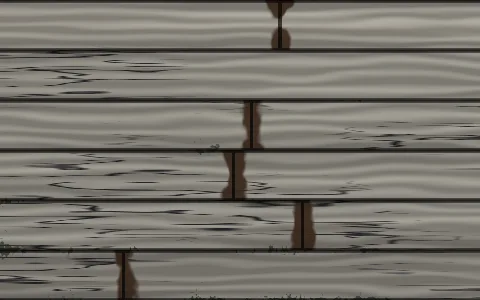
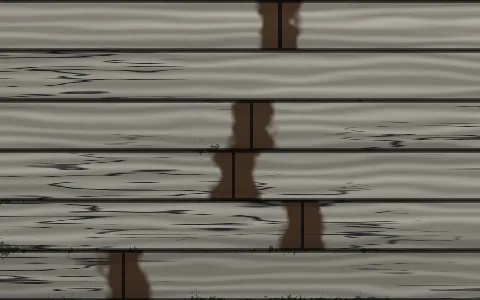
Dallas’s wear fingerprint
Each bar is scaled to the highest of the 25 cities we cover; the black line marks the median.
NOAA station DALLAS FAA AP (USW00013960, 7.3 km away), 1991–2020 normals · humidity & UV: NASA POWER.
What fails first here
- 1Surface checkingStrong UV (rank #12 of 25) dries and shrinks the surface faster than the core, opening fine cracks.
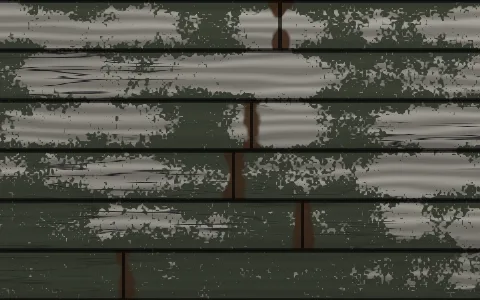
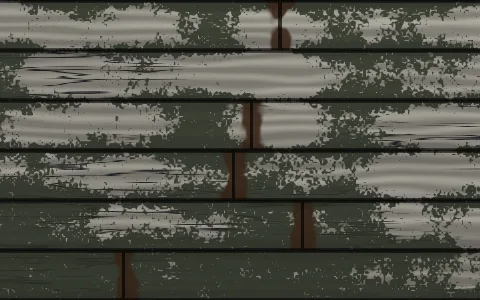
- 2Mildew & algaeFrequent rain and 69% average humidity keep shaded boards damp; dark spots start near walls, planters and gaps.
- 3Sun bleaching & raised grainSurface fibers break down under strong sun and wash away, leaving a pale, fuzzy texture.
- 4Rot at board ends & joistsSlow here (decay index 47.4), but ends and joists under planters still fail first.
Upkeep
Dallas maintenance calendar
Built from local normals: bar width is the share of days with rain; sealant needs 2–3 dry days between 50 and 88 °F.
Same city, other materials
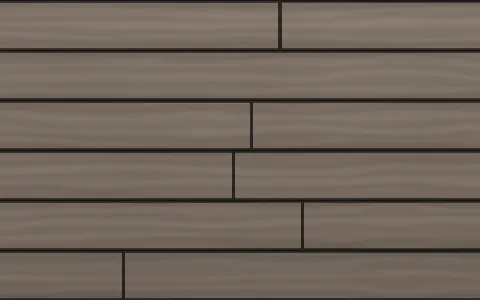
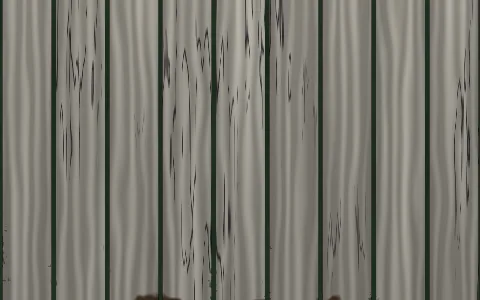
How the alternatives age in Dallas
Pin-ready
Save it for when you build.
The 20-year storyboard as a tall pin, linking back to this page.
Cedar decks in similar climates
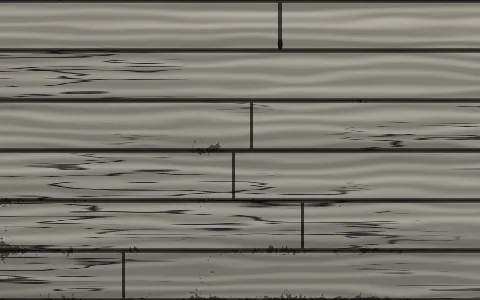 Austin, TX
 Houston, TX
 New Orleans, LA
 Atlanta, GA
 Tampa, FL
…and in very different ones
 Buffalo, NY
 Seattle, WA
 Denver, CO
Questions Dallas owners ask
How long does a cedar deck last in Dallas?
Our model puts it at 15–19 years untreated and 20–26 years if it is sealed every 2–3 years. The national typical range is 15–20 yrs; Dallas’s sun & uv profile is why the local number differs.
When is the best time to seal a cedar deck in Dallas?
July and August: the months with the fewest rainy days while average temperatures sit between 50 and 88 °F. Most sealants need 2–3 dry days to cure.
Is composite better than cedar in Dallas?
It depends: composite won’t check or bleach, but it fades and gets hot in strong sun. Our model gives composite 23–30 years here versus 15–19 for untreated cedar.
Why does wood turn white or pale in Dallas?
UV breaks down lignin at the surface; rain and wind wash the loose fibers away, leaving a bleached, silvery layer. It is cosmetic until checks open up.
Model simulation, not a guarantee: south-facing, full sun, no shade or ground-contact surprises. How it works.